


Hey there, fellow tire enthusiasts! As a supplier of Snap-in Tire Valves, I get asked a ton of questions about these little but crucial parts. One question that pops up more often than not is, "Do snap-in tire valves need to be replaced regularly?" Today, I'm gonna dive deep into this topic to give you the lowdown.
First off, let's talk about what snap-in tire valves are. A Snap-in Tire Valve is a type of valve that's designed to be inserted into the wheel rim of a tire. You can check out more about Snap-in Tire Valve on our website. These valves play a super important role in maintaining proper tire pressure. They're like the gatekeepers of your tire, allowing air to go in and preventing it from leaking out.
Now, onto the big question. Whether snap-in tire valves need regular replacement depends on a bunch of factors. One major factor is the material they're made of. Most snap-in tire valves are made from rubber or a combination of rubber and other materials. Rubber, as we all know, deteriorates over time due to exposure to various elements. Sunlight, heat, and even the chemicals in the road can cause the rubber to harden, crack, or become brittle. When this happens, the valve's ability to hold air properly is compromised, which can lead to slow leaks or even sudden tire deflation.
Another factor to consider is how often you use your vehicle. If you're someone who's constantly on the road, your tires and their valves are going to experience more wear and tear compared to someone who only drives occasionally. High - mileage vehicles put more stress on the valves, and the constant changes in temperature and pressure can speed up the aging process of the valve.
The environment in which you drive also matters a great deal. If you live in an area with extreme weather conditions, like very hot summers or freezing winters, the valves are going to be under more stress. For example, in hot weather, the rubber in the valve can expand, and in cold weather, it can contract. This constant expansion and contraction can cause the valve to weaken over time. Similarly, if you're driving on roads that are salted during the winter, the salt can corrode the metal parts of the valve.
So, how often should you replace these valves? Well, there's no one - size - fits - all answer. Some experts recommend replacing snap - in tire valves every 5 - 7 years, regardless of the mileage. However, if you're a high - mileage driver or if you drive in harsh conditions, you might want to consider replacing them more frequently, maybe every 3 - 5 years.
It's also a good idea to have your valves inspected regularly when you get your tires rotated or balanced. A professional mechanic can check for signs of wear, such as cracks, leaks, or corrosion. They have the right tools, like a Tire Valve Tool, to do a proper inspection and can let you know if it's time to replace the valves.
Now, let's talk about the consequences of not replacing your snap - in tire valves when needed. Driving with a faulty valve can lead to a slow loss of tire pressure. Under - inflated tires can cause a bunch of problems. They increase the rolling resistance of the tire, which means your vehicle has to work harder to move. This, in turn, can lead to reduced fuel efficiency, costing you more money at the pump.
Under - inflated tires also have a higher risk of overheating. The increased friction between the tire and the road can cause the tire to heat up, which can damage the tire's structure and even lead to a blowout, especially at high speeds. A blowout is not only dangerous but can also cause significant damage to your vehicle.
On the other hand, if you're using Extension Tire Valve, they also need to be checked regularly. These valves are often used in special situations, like on vehicles with deep - dish wheels or wheels with TPMS (Tire Pressure Monitoring System). Just like regular snap - in valves, extension valves can deteriorate over time and need to be replaced to ensure the proper functioning of your tires.
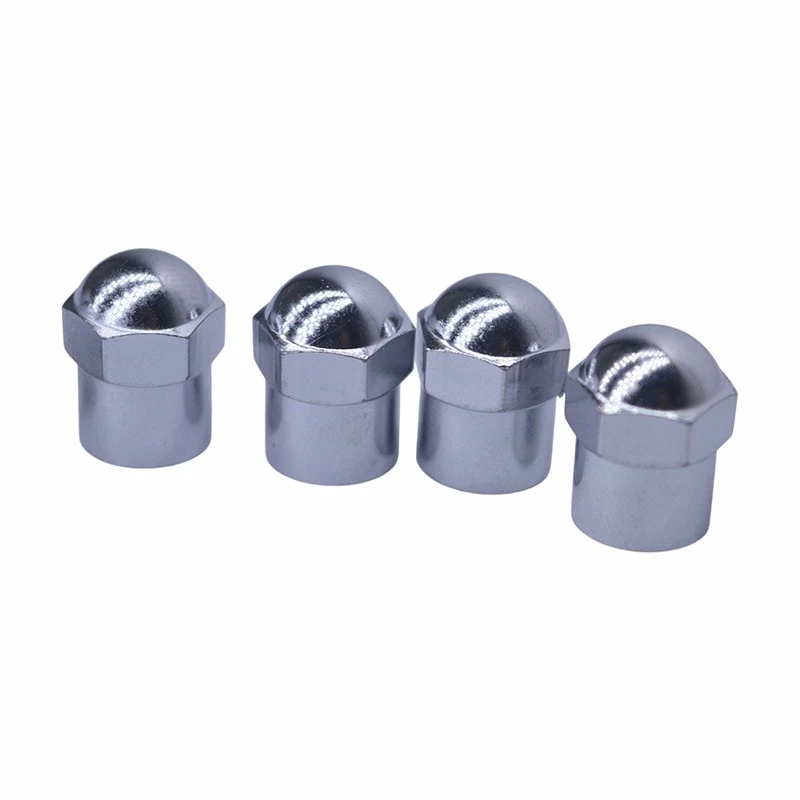
And let's not forget about Tire Valve Caps. These little caps might seem insignificant, but they actually play an important role. They protect the valve from dirt, dust, and moisture, which can cause corrosion. A corroded valve is more likely to leak, so it's a good idea to make sure your valve caps are in good condition and replaced if they're lost or damaged.

In conclusion, while snap - in tire valves are built to last, they do need to be replaced regularly to ensure the safety and performance of your vehicle. Regular inspections, especially by a professional, can help you catch any issues early. And remember, using high - quality valves and related products can make a big difference in how long they last.
If you're in the market for snap - in tire valves, extension valves, tire valve tools, or tire valve caps, we've got you covered. We're a reliable supplier, and our products are made to the highest standards. Whether you're a DIY enthusiast or a professional mechanic, our products are designed to meet your needs. If you have any questions or want to discuss your specific requirements, feel free to reach out and start a procurement discussion. We're here to help you keep your tires in top shape!
References
- Automotive Tire Service Handbook
- Tire Industry Association Publications


