


Snap-in tire valves are essential components in maintaining proper tire pressure and ensuring the safety and performance of vehicles. As a supplier of Snap-in Tire Valves, I often get asked about the lifespan of these crucial parts. In this blog, we'll delve into the factors that influence the longevity of snap-in tire valves and provide insights to help you understand how long you can expect them to last.

Understanding Snap-in Tire Valves
Before we discuss their lifespan, let's briefly understand what snap-in tire valves are. Snap-in tire valves are designed to be inserted into the valve stem hole of a wheel. They provide a secure and reliable connection for inflating and deflating tires. These valves are commonly used in various vehicles, including cars, trucks, and motorcycles. They come in different materials and designs to suit different applications and wheel types.
Factors Affecting the Lifespan of Snap-in Tire Valves
The lifespan of a snap-in tire valve can vary significantly depending on several factors. Here are some of the key factors that influence how long a snap-in tire valve will last:
1. Material Quality
The material used in the construction of the snap-in tire valve plays a crucial role in determining its lifespan. High-quality materials are more resistant to wear, corrosion, and environmental factors. For example, valves made from brass or stainless steel are generally more durable than those made from plastic or rubber. Brass valves are known for their excellent corrosion resistance and strength, making them suitable for long-term use. Stainless steel valves, on the other hand, offer even greater resistance to corrosion and are often used in harsh environments.
2. Environmental Conditions
The environment in which the vehicle operates can have a significant impact on the lifespan of snap-in tire valves. Exposure to extreme temperatures, moisture, salt, and chemicals can cause the valve to deteriorate over time. For instance, in coastal areas where there is a high concentration of salt in the air, the valves are more likely to corrode. Similarly, in areas with heavy pollution or industrial activity, the valves may be exposed to chemicals that can damage the material. Extreme heat can also cause the rubber components of the valve to degrade, leading to leaks.
3. Usage Frequency
The frequency of tire inflation and deflation can also affect the lifespan of snap-in tire valves. Every time the valve is used, there is some wear and tear on the internal components. If the tires are inflated or deflated frequently, the valve may experience more stress and may need to be replaced sooner. For example, commercial vehicles that are on the road for long hours and require regular tire pressure checks may have a shorter valve lifespan compared to personal vehicles that are used less frequently.
4. Installation Quality
Proper installation is crucial for the longevity of snap-in tire valves. If the valve is not installed correctly, it may not seal properly, leading to air leaks and premature failure. It is important to use the right tools and follow the manufacturer's installation instructions carefully. For example, using a Tire Valve Tool can ensure that the valve is installed securely and at the correct angle.
5. Maintenance
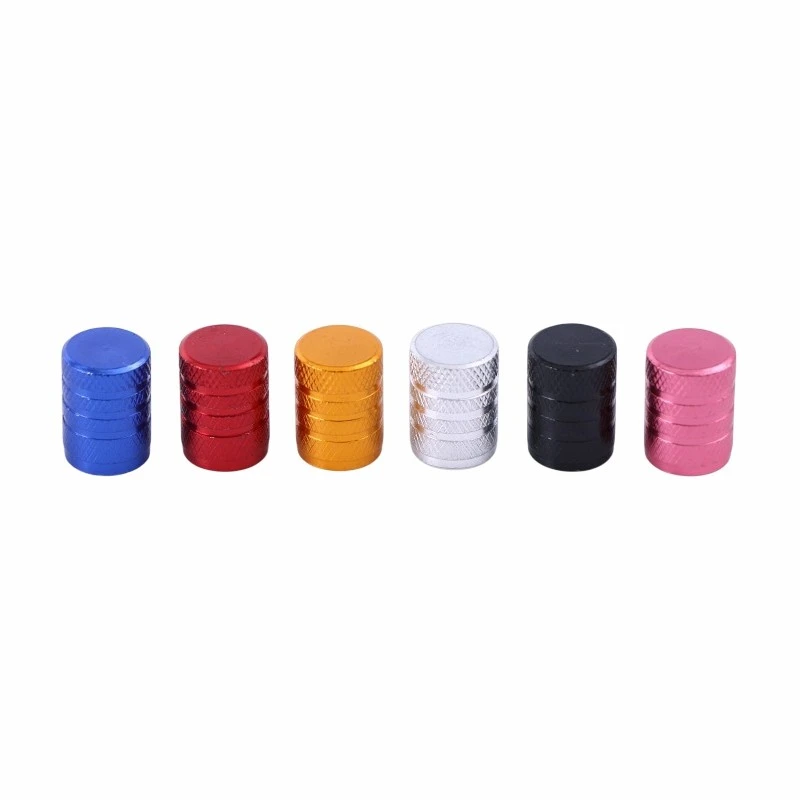
Regular maintenance of the tires and valve stems can help extend the lifespan of snap-in tire valves. This includes checking the tire pressure regularly, inspecting the valve for any signs of damage or wear, and replacing the Tire Valve Caps to prevent dirt and moisture from entering the valve. Keeping the tires properly inflated can also reduce the stress on the valve and other tire components.
Typical Lifespan of Snap-in Tire Valves
Based on the factors mentioned above, the typical lifespan of a snap-in tire valve can range from 5 to 10 years. However, this is just a rough estimate, and the actual lifespan can vary depending on the specific conditions of use. In some cases, valves may last longer, while in others, they may need to be replaced sooner.
Short Lifespan Scenarios
If the snap-in tire valve is exposed to harsh environmental conditions, such as extreme heat, saltwater, or chemicals, or if it is used frequently in high-stress applications, its lifespan may be significantly shorter. For example, valves on off-road vehicles that are driven in muddy or rocky terrain may need to be replaced every 2 to 3 years due to the increased wear and tear. Similarly, valves on commercial trucks that are constantly on the road and require frequent tire inflation may have a lifespan of around 3 to 5 years.
Long Lifespan Scenarios
On the other hand, if the valve is made from high-quality materials, installed correctly, and maintained properly, it can last up to 10 years or more. For example, valves on personal vehicles that are driven mainly in urban areas and have regular maintenance may last the full 10-year lifespan. Additionally, if the valve is protected by a good quality Tire Valve Cap and the tires are kept at the correct pressure, the valve is less likely to experience premature failure.
Signs that a Snap-in Tire Valve Needs to be Replaced
It is important to be aware of the signs that indicate a snap-in tire valve needs to be replaced. Here are some common signs to look out for:
1. Air Leaks
If you notice that your tires are losing air pressure more quickly than normal, it could be a sign of a leaking valve. You may be able to hear a hissing sound coming from the valve or see bubbles forming around the valve stem when the tire is submerged in water.
2. Corrosion or Damage
Inspect the valve stem regularly for any signs of corrosion, rust, or physical damage. If the valve stem is corroded or damaged, it may not seal properly, leading to air leaks.
3. Difficulty Inflating or Deflating
If you have trouble inflating or deflating the tire, it could be due to a problem with the valve. This could be caused by a clogged valve or a malfunctioning valve core.
4. Worn Valve Core
The valve core is a small component inside the valve that controls the flow of air. If the valve core is worn or damaged, it may need to be replaced. You can usually tell if the valve core is worn if the tire loses air pressure even when the valve cap is on.
Importance of Using High-Quality Snap-in Tire Valves
Using high-quality snap-in tire valves is essential for the safety and performance of your vehicle. Low-quality valves may be more prone to leaks, corrosion, and premature failure, which can lead to tire blowouts, poor fuel efficiency, and increased wear on the tires. By investing in high-quality Snap-in Tire Valves, you can ensure that your tires are properly inflated and that your vehicle is safe to drive.
Conclusion
The lifespan of a snap-in tire valve can vary depending on several factors, including material quality, environmental conditions, usage frequency, installation quality, and maintenance. While the typical lifespan is around 5 to 10 years, it is important to be aware of the signs that indicate a valve needs to be replaced. By using high-quality valves, installing them correctly, and maintaining them properly, you can extend the lifespan of your snap-in tire valves and ensure the safety and performance of your vehicle.
If you are interested in purchasing high-quality snap-in tire valves or have any questions about our products, please feel free to reach out to us. We are a leading supplier of snap-in tire valves and can provide you with the best solutions for your needs.
References
- Tire Industry Association. (2023). Tire Maintenance and Safety Guidelines.
- Society of Automotive Engineers. (2022). Standards for Tire Valve Design and Performance.


