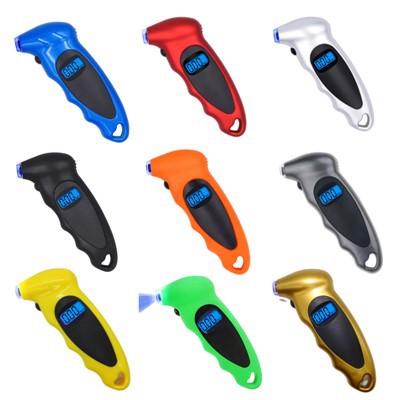
Troubleshooting a ball pressure gauge that gives incorrect readings is a crucial skill for anyone relying on accurate pressure measurements. As a trusted ball pressure gauge supplier, we understand the importance of ensuring your gauges function correctly. In this blog post, we'll guide you through the step - by - step process of diagnosing and fixing issues with a ball pressure gauge that's providing inaccurate readings.
Understanding the Basics of a Ball Pressure Gauge
Before we dive into troubleshooting, it's essential to understand how a ball pressure gauge works. A ball pressure gauge typically uses a spring - loaded ball mechanism. When pressure is applied, the ball is displaced against the spring, and the movement is translated into a pressure reading on the gauge face. This simple yet effective design is widely used in various applications, from automotive tire pressure checks to industrial equipment.
Step 1: Visual Inspection
The first step in troubleshooting is a thorough visual inspection. Start by examining the gauge for any visible damage. Look for cracks in the housing, bent needles, or loose connections. A cracked housing can allow air to leak, affecting the gauge's accuracy. A bent needle may not move freely, leading to incorrect readings. Check the connection between the gauge and the pressure source; a loose or damaged connection can cause pressure fluctuations.
Step 2: Check for Blockages
Blockages in the pressure inlet or the internal passages of the gauge can also lead to inaccurate readings. Use a small, clean brush or compressed air to remove any debris or dirt that may be clogging the inlet. If the gauge has a filter, inspect it and replace it if necessary. A blocked filter can restrict the flow of air or fluid, preventing the gauge from accurately measuring the pressure.


Step 3: Calibration Check
Calibration is a critical factor in the accuracy of a ball pressure gauge. Over time, gauges can lose their calibration due to factors such as normal wear and tear, temperature changes, or mechanical stress. To check the calibration, you'll need a reference pressure gauge of known accuracy. Connect both gauges to the same pressure source and compare the readings. If there's a significant difference between the two readings, the gauge likely needs calibration.
You can calibrate the gauge yourself if you have the necessary tools and expertise. However, for more accurate results, it's recommended to send the gauge to a professional calibration service. Calibration typically involves adjusting the internal components of the gauge to ensure it provides accurate readings.
Step 4: Examine the Spring
The spring in a ball pressure gauge is responsible for providing the resistance against which the ball moves. A damaged or worn - out spring can cause the gauge to give incorrect readings. Check the spring for signs of damage, such as corrosion or deformation. If the spring is damaged, it will need to be replaced. Replacing the spring requires some technical skills, so it's best to consult the gauge's manufacturer or a professional technician.
Step 5: Evaluate the Ball
The ball in the gauge should move freely and smoothly. Inspect the ball for any signs of wear, scratches, or damage. A damaged ball may not move correctly, leading to inaccurate pressure readings. If the ball shows signs of wear, replace it with a new one. Make sure to use a ball of the correct size and material as specified by the gauge's manufacturer.
Step 6: Temperature and Environmental Factors
Temperature and environmental conditions can also affect the accuracy of a ball pressure gauge. Extreme temperatures can cause the materials in the gauge to expand or contract, altering the internal geometry and affecting the pressure measurements. Ensure that the gauge is used within the temperature range specified by the manufacturer.
If the gauge is exposed to harsh environmental conditions, such as high humidity or corrosive substances, it may be damaged over time. Protect the gauge from such conditions and clean it regularly to prevent corrosion and damage.
Our Product Range
As a leading ball pressure gauge supplier, we offer a wide range of high - quality gauges to meet your specific needs. Our Low Pressure Gauge is designed for applications where accurate low - pressure measurements are required. It features a durable construction and a clear gauge face for easy reading.
For those looking for a more standard option, our Straight On Deluxe Tire Gauge is an excellent choice. It provides reliable and accurate tire pressure measurements and is suitable for both professional and personal use.
If you need a portable and convenient option, our Pocket Size Dual Foot Gauge is the perfect solution. It can easily fit into your pocket, making it ideal for on - the - go pressure checks.
Wrapping Up
Troubleshooting a ball pressure gauge that gives incorrect readings may seem daunting at first, but by following these steps, you can diagnose and resolve most issues. Regular maintenance and calibration of your gauges are essential to ensure their long - term accuracy and reliability.
If you have any questions about our ball pressure gauges, troubleshooting, or calibration, we'd love to hear from you. We're committed to providing our customers with the best possible products and services. Whether you're a small business or a large industrial enterprise, we have the right pressure gauge solution for you. Contact us today to discuss your requirements and start a fruitful procurement negotiation. Our team of experts is ready to assist you in finding the perfect ball pressure gauge for your application.
References
- Manufacturer's manuals for ball pressure gauges.
- Industry standards for pressure gauge calibration and maintenance.
- Technical literature on pressure measurement and gauge technology.