


Pipe connectors are essential components in various industries, serving a multitude of critical purposes that are fundamental to the proper functioning of piping systems. As a premier pipe connector supplier, we understand the intricacies and significance of these components, and we are keen to share our expertise with you.
Fluid Conveyance and Distribution
One of the primary purposes of a pipe connector is to enable the seamless conveyance and distribution of fluids. Whether it's water, gas, oil, or other industrial liquids, pipe connectors play a crucial role in ensuring that these fluids can flow from one point to another efficiently and safely. For instance, in a water supply system, pipe connectors are used to connect different sections of pipes, allowing water to be distributed to various locations within a building or a community. Similarly, in the oil and gas industry, pipe connectors are vital for transporting oil and gas from extraction sites to refineries and distribution centers.

System Flexibility and Adaptability
Another important purpose of pipe connectors is to provide flexibility and adaptability to piping systems. In many industrial settings, piping systems need to be modified or expanded to accommodate changes in production processes, facility layouts, or regulatory requirements. Pipe connectors allow for easy disconnection and reconnection of pipes, enabling the system to be adjusted and customized as needed. This flexibility not only saves time and effort during system modifications but also reduces the cost associated with the installation of new piping.
Pressure and Leakage Control
Pipe connectors are designed to withstand high pressures and prevent leakage. In a piping system, the pressure of the fluid being conveyed can vary significantly, depending on factors such as the type of fluid, the flow rate, and the distance of conveyance. Pipe connectors are engineered to maintain a tight seal between pipes, ensuring that the fluid remains within the system and that there are no leaks. This is particularly important in industries where the leakage of fluids can pose serious safety risks or environmental hazards, such as in the chemical and nuclear industries.
Compatibility and Standardization
Pipe connectors also play a role in ensuring the compatibility and standardization of piping systems. Different industries and applications may require specific types of pipes and connectors to meet their unique requirements. As a supplier, we offer a wide range of pipe connectors that are designed to be compatible with various types of pipes, including different materials, diameters, and wall thicknesses. By using standardized pipe connectors, industries can ensure that their piping systems are reliable, efficient, and easy to maintain.
Types of Pipe Connectors and Their Applications
There are many different types of pipe connectors available in the market, each with its own unique features and applications.
Pipe Nipples
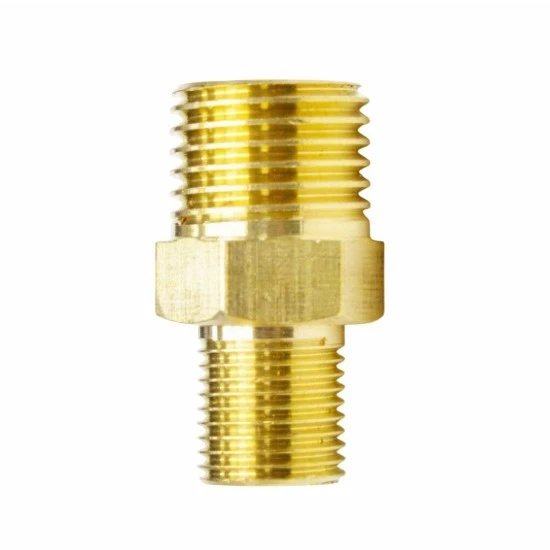
Pipe Nipples are short lengths of pipe with male threads at both ends. They are commonly used to connect two female-threaded pipes or fittings. Pipe nipples are available in various materials, such as steel, brass, and PVC, and they come in different lengths and diameters to suit different applications. They are widely used in plumbing, HVAC, and industrial piping systems.
Air Adjusting Valves
Air Adjusting Valves are used to control the flow and pressure of air in a piping system. These valves can be adjusted to regulate the amount of air flowing through the system, which is essential for maintaining the proper operation of pneumatic equipment. Air adjusting valves are commonly used in industrial automation, pneumatic tools, and air compressors.
Industrial Coupler Or Plug
Industrial Coupler Or Plug are used to quickly connect and disconnect pipes or hoses in industrial applications. They provide a secure and leak-proof connection, allowing for easy maintenance and replacement of components in a piping system. Industrial couplers and plugs are widely used in manufacturing, automotive, and construction industries.
Quality and Reliability
As a pipe connector supplier, we are committed to providing high-quality products that meet the strictest industry standards. Our pipe connectors are manufactured using advanced technology and high-quality materials to ensure their durability, performance, and reliability. We conduct rigorous quality control tests on all our products to ensure that they meet or exceed our customers' expectations.
Customer Support and Service
In addition to providing high-quality products, we also offer excellent customer support and service. Our team of experts is always ready to assist you with any questions or concerns you may have regarding pipe connectors. We can provide you with technical advice, product recommendations, and installation guidance to ensure that you get the most out of our products.
Conclusion
In conclusion, the purpose of a pipe connector is multi-faceted, ranging from fluid conveyance and distribution to pressure control and system flexibility. As a leading pipe connector supplier, we offer a comprehensive range of high-quality products that are designed to meet the diverse needs of various industries. Whether you are looking for Pipe Nipples, Air Adjusting Valves, or Industrial Coupler Or Plug, we have the right solution for you.
If you are interested in learning more about our pipe connector products or would like to discuss your specific requirements, we encourage you to reach out to us. Our experienced sales team is eager to assist you in finding the perfect pipe connectors for your project. Let's work together to ensure the success of your piping system.
References
- "Piping Handbook" by Mohinder L. Nayyar
- "Mechanical Engineering Handbook" by Myer Kutz


