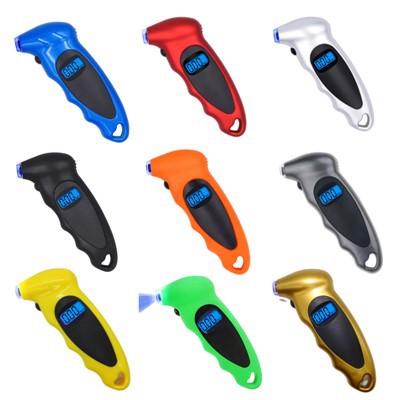
As a reliable tire pressure gauge supplier, I've witnessed firsthand the importance of maintaining proper tire pressure. A simple yet crucial tool, the tire pressure gauge, ensures safe and efficient driving. In this blog, I'll guide you through using a tire pressure gauge on a tire with a valve stem cap.
Understanding the Basics
Before we dive into the process, let's understand the key components. The valve stem cap is a small but important part of your tire. It protects the valve stem from dirt, debris, and moisture, which could cause leaks or damage over time. The tire pressure gauge, on the other hand, is the tool you'll use to measure the air pressure inside your tires accurately.
We offer a variety of tire pressure gauges to suit different needs and preferences. For instance, the Ball Pressure Gauge is a popular choice. It's easy to use and provides a quick and accurate reading. The Pencil Tire Gauge is another great option, known for its simplicity and portability. And if you're looking for something compact, the Mini Tire Gauge is perfect for on-the-go use.
Step-by-Step Guide to Using a Tire Pressure Gauge
Step 1: Gather Your Tools
First, make sure you have your tire pressure gauge and a pen and paper handy to record the readings. It's also a good idea to have a small flashlight if you're checking your tires in low-light conditions.
Step 2: Locate the Valve Stem
The valve stem is a small, protruding tube on the side of your tire. It's usually covered by a valve stem cap. The valve stem cap is typically black or chrome and is easy to spot.
Step 3: Remove the Valve Stem Cap
Gently unscrew the valve stem cap from the valve stem. Be careful not to lose it, as it plays an important role in protecting the valve stem. Place the cap in a safe place, such as your pocket or the cup holder in your car.
Step 4: Prepare the Tire Pressure Gauge
Before using the gauge, make sure it's in good working condition. Check for any signs of damage or wear, such as a cracked housing or a loose needle. If your gauge has a bleed valve, make sure it's closed.
Step 5: Take the Pressure Reading
Press the tire pressure gauge firmly onto the valve stem. You should hear a brief hiss of air as the gauge makes contact. Hold the gauge in place until the needle stops moving or the digital display shows a stable reading. This usually takes a few seconds.
Step 6: Read and Record the Pressure
Once the gauge has given you a reading, take note of the number. This is the air pressure inside your tire. Compare this reading to the recommended tire pressure for your vehicle, which can usually be found in your owner's manual or on a sticker inside the driver's door jamb.
Step 7: Adjust the Tire Pressure if Necessary
If the tire pressure is too low, you'll need to add air to the tire. You can do this at a gas station or use an air compressor at home. If the pressure is too high, you can release some air by gently pressing the center pin in the valve stem with the tip of your gauge or a small tool.
Step 8: Replace the Valve Stem Cap
After you've adjusted the tire pressure and taken your final reading, screw the valve stem cap back onto the valve stem. Make sure it's tightened securely to prevent air from leaking out and to keep dirt and debris out of the valve stem.
Tips for Using a Tire Pressure Gauge
- Check Your Tires Regularly: It's recommended to check your tire pressure at least once a month. This helps ensure your tires are in good condition and can prevent problems such as uneven tire wear, reduced fuel efficiency, and blowouts.
- Check Your Tires When They're Cold: Tire pressure increases as the tires heat up during driving. For the most accurate reading, check your tire pressure before you drive or at least three hours after you've parked your vehicle.
- Use the Right Gauge: Different types of vehicles may require different types of tire pressure gauges. Make sure you're using a gauge that's suitable for your vehicle's tires.
- Keep Your Gauge Clean and Calibrated: Regularly clean your tire pressure gauge to prevent dirt and debris from affecting its accuracy. You may also need to calibrate your gauge periodically to ensure it's providing accurate readings.
Why Choose Our Tire Pressure Gauges
As a trusted tire pressure gauge supplier, we take pride in offering high-quality products that meet the needs of our customers. Our gauges are made from durable materials and are designed to provide accurate and reliable readings. We also offer a wide range of gauges to choose from, so you can find the one that's right for you.
In addition to our quality products, we also provide excellent customer service. Our team of experts is always available to answer your questions and help you choose the right tire pressure gauge for your needs. We also offer competitive pricing and fast shipping, so you can get your gauge as quickly as possible.


Contact Us for Procurement
If you're interested in purchasing our tire pressure gauges for your business or personal use, we'd love to hear from you. Whether you're a retailer looking to stock our products or an individual in need of a reliable tire pressure gauge, we're here to help. Contact us to start a procurement discussion and see how we can meet your needs.
References
- "Tire Pressure Maintenance Basics." Safe Motorist.
- Owner's Manuals of Various Vehicles.