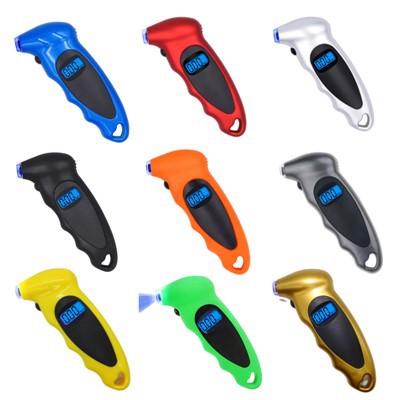
Protecting a low pressure gauge is crucial for ensuring its accurate and long - term performance. As a reputable Low Pressure Gauge supplier, we understand the significance of this issue. In this blog, we will delve into various aspects of how to protect a low pressure gauge from damage.
Understanding Low Pressure Gauges
Before we discuss protection methods, it's essential to understand what a low pressure gauge is and how it functions. A Low Pressure Gauge is a device used to measure pressures lower than atmospheric pressure or within a relatively small pressure range. These gauges are widely used in many applications, such as in automotive tires, laboratory equipment, and small - scale industrial processes.
There are different types of low pressure gauges, including mechanical gauges with Bourdon tubes, diaphragms, and liquid - filled gauges. Each type has its own working principle and characteristics. Mechanical gauges work based on the deformation of a sensing element under pressure. For example, a Bourdon tube will change its shape when pressure is applied, and this deformation is then translated into a reading on the gauge's dial. Diaphragm gauges use a flexible diaphragm that deflects under pressure, and the deflection is measured to indicate the pressure value. Liquid - filled gauges are often used in environments with high vibration, as the liquid inside helps to dampen the movement of the gauge's internal components and protect them from damage.
Common Causes of Damage to Low Pressure Gauges
- Overpressure: One of the most common causes of damage to low pressure gauges is overpressure. When the pressure applied to the gauge exceeds its maximum rated pressure, it can cause permanent damage to the sensing element. For example, in a pneumatic system, a sudden surge in pressure can occur due to a malfunctioning valve or compressor, and if the low pressure gauge is not protected, it may be severely damaged.
- Vibration: Vibration is another significant factor that can harm low pressure gauges. In industrial settings where machinery is constantly operating, vibrations can be transmitted to the gauge. Over time, these vibrations can loosen the internal components of the gauge, cause wear and tear on the mechanical linkages, and even lead to the breakage of the Bourdon tube or diaphragm.
- Corrosion: Exposure to corrosive substances is a threat to the longevity of low pressure gauges. If the gauge is used in an environment where there are chemicals, moisture, or salt air, the metal parts of the gauge, such as the housing and the sensing element, can corrode. Corrosion can weaken the structure of the gauge and affect its accuracy.
- Mechanical Impact: Physical impacts, such as a gauge being dropped or hit by a tool, can cause immediate damage to the gauge. The dial may get cracked, the internal components may be misaligned, or the sensing element may be damaged, rendering the gauge inoperable.
Protection Methods
1. Pressure Relief Devices
- Overpressure Protection: Installing pressure relief valves is an effective way to protect low pressure gauges from overpressure. A pressure relief valve is designed to open when the pressure in the system exceeds a certain set value. This allows the excess pressure to escape, preventing it from reaching and damaging the gauge. For example, in a tire inflation system, a pressure relief valve can be installed between the air compressor and the Low Pressure Gauge to ensure that the pressure applied to the gauge does not exceed its limit.
- Differential Pressure Relief: In some applications where the gauge measures differential pressure, differential pressure relief devices can be used. These devices help to balance the pressure difference across the gauge and protect it from damage caused by excessive differential pressure.
2. Vibration Dampening
- Liquid - Filled Gauges: As mentioned earlier, liquid - filled gauges are an excellent choice for environments with high vibration. The liquid inside the gauge, usually a silicone - based fluid, absorbs the energy from the vibrations. This reduces the stress on the internal components of the gauge and prevents them from loosening or breaking. For example, in a manufacturing plant where heavy machinery is constantly operating, liquid - filled Low Pressure Gauges can be used to ensure accurate and reliable pressure measurements.
- Mounting Options: Proper mounting of the gauge can also help to dampen vibrations. Using vibration - isolating mounts or pads can reduce the transmission of vibrations from the surrounding machinery to the gauge. For example, rubber mounts can be used to attach the gauge to a panel or a bracket, providing a buffer between the gauge and the vibrating surface.
3. Corrosion Prevention
- Material Selection: When choosing a low pressure gauge, it's important to consider the environment in which it will be used. Selecting gauges with corrosion - resistant materials is crucial. For example, stainless steel is a common material for gauge housings and sensing elements in corrosive environments. Additionally, some gauges may have a protective coating on the surface to further resist corrosion.
- Sealing: Ensuring proper sealing of the gauge is essential to prevent the ingress of corrosive substances. A well - sealed gauge will keep moisture, chemicals, and dust out of the internal components. Gaskets and O - rings are commonly used to seal the gauge at its connections and openings.
4. Mechanical Protection
- Enclosures: Using protective enclosures can shield the low pressure gauge from physical impacts. Enclosures can be made of plastic, metal, or other materials, and they provide a barrier between the gauge and potential sources of damage, such as tools, falling objects, or accidental bumps.
- Guard Rails: In industrial settings, guard rails can be installed around the gauge to prevent accidental collisions. These guard rails can be made of steel or aluminum and are designed to stop objects from hitting the gauge directly.
Different Applications and Protection Requirements
Automotive Industry
In the automotive industry, low pressure gauges are commonly used to measure tire pressure. Plastic Transparent Tire Gauge is a popular choice due to its affordability and ease of use. To protect these gauges, it's important to store them properly when not in use. Avoid leaving them in direct sunlight or extreme temperatures, as this can affect the accuracy of the gauge over time. Also, when using the gauge, handle it gently to prevent mechanical damage.
Laboratory Applications
In laboratory settings, low pressure gauges are used for precise measurements. These gauges are often more sensitive and require careful protection. Corrosion prevention is a major concern, as many laboratory chemicals can be corrosive. Using gauges made of high - quality, corrosion - resistant materials and ensuring proper ventilation in the laboratory can help to protect the gauges. Additionally, vibration dampening is important to maintain accurate measurements. Mounting the gauges on vibration - isolated platforms can reduce the impact of vibrations from nearby equipment.
Industrial Processes
In industrial processes, where the environment can be harsh and demanding, European Luxury Tire Pressure Gauge or other high - quality low pressure gauges may be used. These gauges need to be protected from overpressure, vibration, and corrosion. Installing comprehensive protection systems, such as pressure relief valves, liquid - filled gauges, and corrosion - resistant enclosures, is essential to ensure their long - term performance.
Conclusion
Protecting a low pressure gauge from damage is essential for maintaining its accuracy and reliability. By understanding the common causes of damage and implementing appropriate protection methods, we can ensure that the gauges perform well in various applications. As a Low Pressure Gauge supplier, we are committed to providing high - quality gauges and offering professional advice on gauge protection. If you are interested in purchasing low pressure gauges or need more information on gauge protection, please feel free to contact us for a detailed discussion and procurement.


References
- "Pressure Gauge Handbook" by Instrument Society of America
- "Industrial Instrumentation and Control Handbook" by Bela G. Liptak