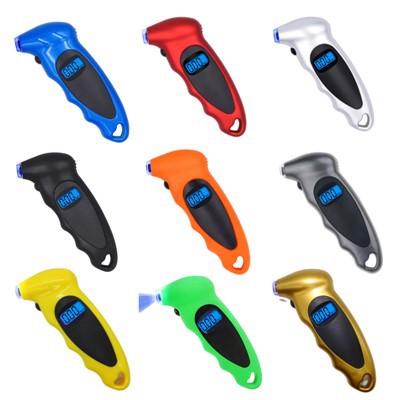
Hey there! As an air blow gun supplier, I've seen firsthand the importance of using these tools safely. Air blow guns are super handy for a variety of tasks, from cleaning debris in workshops to drying off parts. But like any tool, if not used correctly, they can pose some risks. So, let's dive into the safety precautions you should take when using an air blow gun.
1. Wear Appropriate Personal Protective Equipment (PPE)
First off, PPE is a must. You never know what kind of debris might come flying when you're using an air blow gun.
- Safety Glasses: Always wear safety glasses to protect your eyes. Even tiny particles can cause serious damage if they get into your eyes. Whether you're blasting away sawdust in a woodworking shop or cleaning dirt from a car engine, those flying bits can be a real hazard.
- Hearing Protection: Air blow guns can be pretty loud, especially when used at high pressures. Prolonged exposure to loud noise can lead to hearing loss. So, it's a good idea to wear earplugs or earmuffs. You'll thank yourself later when you can still hear the birds chirping after a long day of work.
- Gloves: Depending on what you're working on, gloves can be a great addition. They protect your hands from sharp edges, hot surfaces, or chemicals that might be dislodged by the air stream. For example, if you're cleaning a rusty machine part, gloves can prevent cuts and keep your hands clean.
2. Check the Air Blow Gun Before Use
Before you start using an air blow gun, give it a quick once - over.
- Inspect for Damage: Look for any cracks, leaks, or loose parts. A damaged air blow gun can be dangerous. If there's a crack in the barrel, the air might escape in an unexpected direction, or the gun could even break apart during use.
- Test the Trigger: Make sure the trigger works smoothly and that it can be easily engaged and disengaged. A faulty trigger could cause the air to keep flowing when you don't want it to, leading to waste of air and potential accidents.
- Verify the Pressure Rating: Each air blow gun has a maximum pressure rating. Make sure the air compressor you're using is set to a pressure within this rating. Over - pressurizing the gun can cause it to malfunction or even explode. It's like trying to fit a square peg in a round hole; it just won't work and can cause a mess.
3. Use the Right Air Blow Gun for the Job
Not all air blow guns are created equal. There are different types for different tasks.
- Air Blow Gun Set: For general cleaning tasks around the workshop, an Air Blow Gun Set is a great choice. It usually comes with different nozzles that can be used for various applications. You can swap out the nozzles depending on whether you need a wide - spread air stream for cleaning large surfaces or a concentrated stream for getting into tight spaces.
- Adjustable Pocket Blow Gun: If you need something more portable and adjustable, the Adjustable Pocket Blow Gun is perfect. It's small enough to carry around in your pocket and allows you to adjust the air flow. This is handy for tasks like cleaning electronics or delicate parts where you need to control the amount of air.
- Pistol Grip Blow Gun: For more heavy - duty jobs that require a longer period of use, the Pistol Grip Blow Gun is a good option. The pistol grip design makes it more comfortable to hold for extended periods, reducing hand fatigue.
4. Be Mindful of the Air Stream Direction
The direction of the air stream is crucial for safety.
- Avoid Pointing at People or Animals: This might seem obvious, but it's worth repeating. The high - pressure air stream can cause serious injuries if it hits someone or an animal. Even a short blast of air in the wrong place can be dangerous.
- Direct the Air Away from Yourself: Make sure the air is blowing away from your body. This prevents debris from being blown back onto you and also reduces the risk of accidentally inhaling any dust or fumes.
- Consider the Surroundings: Think about what's around you. If you're using the air blow gun near flammable materials, the air stream could stir up dust or fumes that might be a fire hazard. Also, be aware of any electrical equipment that could be damaged by the air or debris.
5. Use the Air Blow Gun in a Well - Ventilated Area
When using an air blow gun, proper ventilation is key.
- Prevent Inhalation of Dust and Fumes: The air stream can kick up a lot of dust, especially when cleaning dirty surfaces. Inhaling this dust can be harmful to your lungs. If you're working with chemicals or materials that produce fumes, ventilation helps to keep the air clean and safe to breathe.
- Avoid Buildup of Flammable Vapors: As mentioned earlier, if you're in an area with flammable vapors, proper ventilation helps to disperse them. This reduces the risk of an explosion or fire.
6. Follow Proper Storage Procedures
When you're done using the air blow gun, store it correctly.
- Keep it Clean: After each use, clean the air blow gun to remove any debris or dirt. This helps to keep it in good working condition and prevents clogs.
- Store in a Dry Place: Moisture can cause rust and damage to the gun. So, make sure to store it in a dry place. A toolbox or a storage cabinet is a good option.
- Disconnect from the Air Supply: Always disconnect the air blow gun from the air compressor when not in use. This prevents accidental activation and also helps to conserve air.
7. Train Users Properly
If you have employees or others using the air blow gun, make sure they are properly trained.


- Demonstrate Safe Use: Show them how to use the air blow gun safely, including how to wear PPE, check the gun before use, and direct the air stream.
- Provide Safety Guidelines: Give them a set of safety guidelines to follow. This can be in the form of a printed sheet or an online resource. Make sure they understand the importance of following these guidelines.
Contact for Procurement
If you're in the market for high - quality air blow guns, we've got you covered. We offer a wide range of air blow guns, including the Air Blow Gun Set, Adjustable Pocket Blow Gun, and Pistol Grip Blow Gun. Our products are not only safe but also reliable and durable. Contact us to discuss your procurement needs, and we'll work with you to find the best solution for your business.
References
- Occupational Safety and Health Administration (OSHA) guidelines on hand - held power tools.
- Manufacturer's instructions for air blow guns.