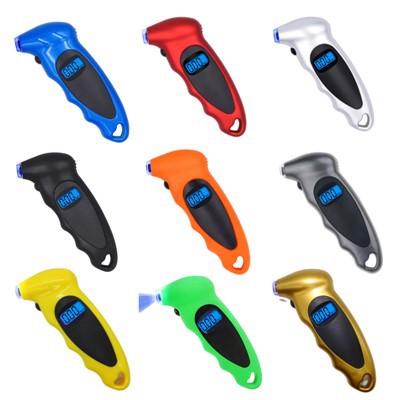
Hey there! As a supplier of Ball Pressure Gauge, I've spent a good deal of time diving into the ins and outs of these nifty devices, especially when it comes to their use in medical applications. So, let's chat about what makes ball pressure gauges so special in the medical field and what unique requirements they need to meet.
Accuracy is Key
In the medical world, precision isn't just a nice - to - have; it's an absolute must. Ball pressure gauges used in medical applications need to be incredibly accurate. Whether it's measuring the pressure in an artificial heart valve, a blood pressure cuff, or a ventilator, even the slightest error can have serious consequences.
For example, in a blood pressure measurement, an inaccurate gauge could lead to misdiagnosis. If the gauge reads higher than the actual blood pressure, a patient might be wrongly prescribed high - blood - pressure medication. On the flip side, if it reads lower, a potentially dangerous hypertension condition could go undetected.
Medical ball pressure gauges typically need to have an accuracy level within a very tight range, often around ±1% or even better. This level of precision requires high - quality manufacturing processes and materials. The internal components, like the ball and the spring mechanism, need to be carefully calibrated and made from materials that won't degrade over time or under different environmental conditions.
Hygiene and Sterilization
Another major requirement in medical applications is hygiene. Ball pressure gauges can come into contact with patients' bodies, either directly or indirectly through medical equipment. So, they need to be easy to clean and sterilize.
Many medical ball pressure gauges are designed to withstand common sterilization methods such as autoclaving, chemical disinfection, or ethylene oxide sterilization. The materials used in these gauges must be resistant to the harsh chemicals and high temperatures involved in these processes. For instance, the outer casing should be made of a material that won't crack or warp when exposed to high - pressure steam during autoclaving.
Moreover, the design of the gauge should minimize areas where bacteria or other contaminants can accumulate. Smooth surfaces and rounded edges are preferred over sharp corners or crevices where dirt and germs can hide. This not only helps in maintaining a clean environment but also extends the lifespan of the gauge.
Compatibility with Medical Equipment
Medical ball pressure gauges need to be compatible with a wide range of medical equipment. They should be able to integrate seamlessly with devices like infusion pumps, anesthesia machines, and respiratory equipment.
This means that the gauges need to have the right connection types and sizes. For example, they might need to fit standard medical tubing or connectors. In addition, the pressure range of the gauge should match the requirements of the specific medical equipment. A Low Pressure Gauge might be suitable for measuring the pressure in a low - flow oxygen delivery system, while a different gauge with a higher pressure range would be needed for a pneumatic medical device.
The electrical or mechanical signals from the gauge also need to be compatible with the control systems of the medical equipment. If the gauge is part of a digital monitoring system, it should be able to communicate accurately with the software and display the pressure readings in a format that is easy for medical staff to understand.
Durability and Reliability
Medical environments can be tough on equipment. Ball pressure gauges need to be durable enough to withstand the rigors of daily use in hospitals, clinics, and other healthcare settings. They might be dropped, bumped, or exposed to various physical stresses.
Reliability is also crucial. Medical staff rely on these gauges to make critical decisions about patient care. A gauge that fails or malfunctions at the wrong time can put a patient's life at risk. So, these gauges are often tested rigorously for their durability and reliability before they are approved for medical use.
This includes testing for factors like shock resistance, vibration resistance, and long - term stability. Manufacturers need to ensure that the gauges can maintain their accuracy and functionality over an extended period, even with frequent use.
Safety Features
Safety is always a top priority in medical applications. Ball pressure gauges often come with built - in safety features. For example, some gauges have over - pressure protection to prevent damage to the gauge and the connected medical equipment in case of a sudden spike in pressure.
There might also be visual or audible alarms to alert medical staff if the pressure goes outside the normal range. These safety features add an extra layer of protection for patients and help ensure that medical procedures are carried out safely.
Cost - Effectiveness
While accuracy, hygiene, and other requirements are essential, cost - effectiveness also plays a role in the medical industry. Hospitals and healthcare facilities are often on tight budgets, and they need to balance the quality of the equipment with its cost.
As a supplier, we understand this need. That's why we offer a range of Ball Pressure Gauges that meet the high - end requirements of medical applications while still being affordable. Our Economy Tire Air Gauge series, for example, provides a cost - effective solution without compromising on quality. These gauges are designed to offer the necessary accuracy and reliability at a price that makes them accessible to a wide range of healthcare providers.
Conclusion
In conclusion, ball pressure gauges used in medical applications have some very specific requirements. Accuracy, hygiene, compatibility, durability, safety, and cost - effectiveness are all key factors that need to be considered. As a supplier, we're committed to meeting these requirements and providing high - quality ball pressure gauges that can be trusted in the medical field.
If you're in the market for ball pressure gauges for your medical equipment or facility, I'd love to have a chat with you. We can discuss your specific needs and find the perfect solution for you. Whether you need a gauge for a small clinic or a large hospital, we've got you covered. So, don't hesitate to reach out and start the conversation about your procurement needs.


References
- Medical Device Design and Development Handbook.
- Standards and Guidelines for Medical Equipment Manufacturing.