A tire valve might seem like a small, insignificant part of a vehicle, but it plays a crucial role in maintaining proper tire pressure. As a tire valve supplier, I've seen firsthand the various issues that can cause a tire valve to go bad. In this blog, we'll explore the common causes and how to prevent them.
1. Normal Wear and Tear
Over time, like any mechanical component, tire valves experience wear and tear. The rubber parts of the valve, such as the valve stem and the sealing washer, can deteriorate due to constant exposure to air, heat, and the elements. When rubber ages, it loses its elasticity, which can lead to leaks.
Imagine driving on a hot summer day. The heat causes the air inside the tire to expand, putting extra pressure on the valve. Repeated cycles of heating and cooling can gradually weaken the rubber. Additionally, the constant flexing of the tire as it rolls over different road surfaces can cause stress on the valve stem, leading to cracks or breaks.
As a solution, regular tire inspections are essential. During these inspections, check the condition of the valve. If you notice any signs of wear, such as cracks or a loose valve core, it's time to replace the valve. We offer a wide range of high - quality valves, including the Snap - in Tire Valve, which are designed to withstand normal wear and tear better than many other options on the market.
2. Improper Installation
One of the most common reasons for a tire valve to fail is improper installation. If the valve is not installed correctly, it can lead to leaks or even damage the valve itself. For example, if the valve stem is not tightened properly during installation, air can escape around the base of the valve.
Another issue can arise if the valve core is not seated correctly. The valve core is what controls the flow of air into and out of the tire. If it's not tightened to the right torque or is cross - threaded during installation, it can cause air leaks.
To avoid these problems, it's important to use the right tools for installation. Our Tire Valve Tool is specifically designed to ensure proper installation of tire valves. It provides the right amount of torque and helps prevent cross - threading, ensuring a secure and leak - free installation.
3. Contamination
Contamination can also cause a tire valve to go bad. Road debris, dirt, and moisture can find their way into the valve, causing damage to its internal components. For instance, if dirt gets into the valve core, it can prevent it from closing properly, leading to air leaks.
Moisture is another significant problem. When water gets inside the valve, it can cause corrosion, especially if the valve is made of metal parts. Corrosion can weaken the valve and eventually lead to its failure.


To protect your valves from contamination, using Tire Valve Caps is a simple yet effective solution. These caps act as a barrier, preventing dirt, debris, and moisture from entering the valve. They are an inexpensive way to extend the life of your tire valves.
4. Over - inflation or Under - inflation
Maintaining the correct tire pressure is crucial for the health of your tire valves. Over - inflation puts excessive stress on the valve, which can cause the valve stem or the valve core to fail. The high pressure can force the rubber parts of the valve to stretch beyond their limits, leading to cracks and leaks.
Under - inflation is also a problem. When a tire is under - inflated, the sidewalls flex more than normal as the tire rolls. This increased flexing can put stress on the valve stem, causing it to fatigue and eventually break.
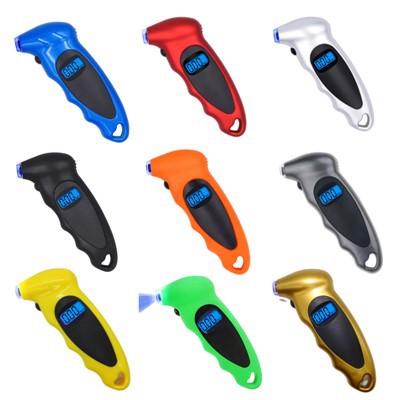
To avoid these issues, always check your tire pressure regularly using a reliable tire pressure gauge. Make sure to follow the manufacturer's recommended tire pressure settings for your vehicle. If you notice that a tire is consistently losing pressure, it could be a sign of a valve problem, and you should have it inspected as soon as possible.
5. Chemical Exposure
Tire valves can be affected by exposure to various chemicals. For example, if a vehicle is frequently washed with harsh chemicals or if it comes into contact with chemicals on the road, such as oil spills or de - icing agents, these substances can damage the valve.
Some chemicals can react with the rubber or metal components of the valve, causing them to degrade. This can lead to leaks or other valve malfunctions. To minimize the risk of chemical damage, try to keep your tires clean and avoid driving through areas with known chemical spills. If your vehicle gets exposed to chemicals, make sure to thoroughly wash the tires with clean water as soon as possible.
Preventive Maintenance
As a tire valve supplier, I highly recommend a preventive maintenance plan for your tire valves. This includes regular inspections, proper installation, and the use of protective accessories such as valve caps.
Inspect your tire valves at least once a month. Look for signs of wear, damage, or leaks. Check the valve stem for cracks, and make sure the valve core is tight. If you find any issues, replace the valve immediately.
Use high - quality tire valves and tools. Our products are made from premium materials and are designed to meet the highest standards of quality. When you choose our products, you can be confident that you're getting reliable and long - lasting tire valves.
If you're a business in the automotive industry or an individual looking for top - quality tire valves, we're here to help. Whether you need a single valve for a small repair job or a large quantity for a commercial project, we can provide the right solutions at competitive prices.
We understand the importance of quality and reliability in the automotive industry. That's why we're committed to providing our customers with the best tire valves on the market. Contact us today to discuss your tire valve needs and start a partnership that will keep your tires in top condition.
References
- Automotive Tire Service & Repair Manual.
- Tire and Wheel Association Publications.