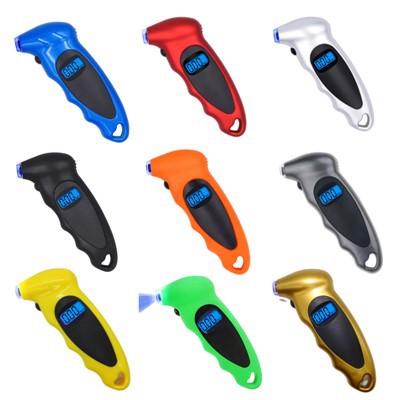
As a supplier of air blow guns, I've received numerous inquiries about the optimal operating temperature for these versatile tools. Understanding the ideal temperature range is crucial for ensuring the longevity, efficiency, and safety of air blow guns. In this blog post, I'll delve into the science behind operating temperatures, discuss the factors that influence them, and provide practical tips for maintaining optimal conditions.
The Science of Operating Temperatures
Air blow guns operate by converting compressed air into a high-velocity stream of air. This process generates heat due to the compression and expansion of air. The temperature of the air exiting the blow gun can vary depending on several factors, including the inlet air temperature, the pressure of the compressed air, and the design of the blow gun.
In general, the optimal operating temperature for an air blow gun is between 40°F (4°C) and 120°F (49°C). Operating the blow gun outside of this temperature range can have several negative effects. At low temperatures, the compressed air may become more viscous, reducing the flow rate and velocity of the air stream. This can result in decreased performance and efficiency. Additionally, cold temperatures can cause the materials used in the blow gun to become brittle, increasing the risk of damage or failure.
On the other hand, high temperatures can also pose problems. Excessive heat can cause the lubricants used in the blow gun to break down, leading to increased friction and wear. This can reduce the lifespan of the blow gun and increase the likelihood of malfunctions. High temperatures can also cause the air to expand, increasing the pressure inside the blow gun and potentially leading to leaks or other safety hazards.
Factors Affecting Operating Temperatures
Several factors can influence the operating temperature of an air blow gun. Understanding these factors can help you take steps to maintain optimal conditions and ensure the longevity and performance of your blow guns.


- Inlet Air Temperature: The temperature of the compressed air entering the blow gun is one of the most significant factors affecting its operating temperature. If the inlet air temperature is too high or too low, it can have a direct impact on the performance and efficiency of the blow gun. To maintain optimal conditions, it's important to ensure that the compressed air is at a suitable temperature before it enters the blow gun.
- Compressed Air Pressure: The pressure of the compressed air also plays a role in determining the operating temperature of the blow gun. Higher pressures can generate more heat, while lower pressures can result in lower temperatures. It's important to operate the blow gun within the recommended pressure range to avoid overheating or underperformance.
- Blow Gun Design: The design of the blow gun can also affect its operating temperature. Some blow guns are designed to dissipate heat more effectively than others, while others may have features that help to regulate the temperature of the air stream. When selecting a blow gun, it's important to consider the design features and choose a model that is suitable for your specific application.
- Environmental Conditions: The environmental conditions in which the blow gun is used can also have an impact on its operating temperature. For example, operating the blow gun in a hot or humid environment can increase the temperature of the air stream, while operating it in a cold or dry environment can decrease the temperature. It's important to take into account the environmental conditions and adjust the operating parameters of the blow gun accordingly.
Tips for Maintaining Optimal Operating Temperatures
To ensure the longevity and performance of your air blow guns, it's important to take steps to maintain optimal operating temperatures. Here are some practical tips to help you achieve this:
- Monitor the Inlet Air Temperature: Use a temperature gauge to monitor the temperature of the compressed air entering the blow gun. If the temperature is too high or too low, take steps to adjust it before it enters the blow gun.
- Use a Pressure Regulator: A pressure regulator can help to maintain a consistent pressure and prevent overheating. Make sure to set the pressure regulator within the recommended range for your blow gun.
- Choose the Right Blow Gun: Select a blow gun that is designed to dissipate heat effectively and is suitable for your specific application. Consider factors such as the size, shape, and material of the blow gun, as well as any additional features that may help to regulate the temperature.
- Provide Adequate Ventilation: Make sure that the area where the blow gun is used is well-ventilated to prevent the buildup of heat. This can help to reduce the operating temperature of the blow gun and improve its performance.
- Clean and Maintain the Blow Gun Regularly: Regular cleaning and maintenance can help to prevent the buildup of dirt, debris, and lubricants, which can affect the performance and efficiency of the blow gun. Follow the manufacturer's recommendations for cleaning and maintenance to ensure the longevity of your blow gun.
Recommended Air Blow Guns
As a supplier of air blow guns, I offer a wide range of products to meet the needs of different applications. Here are some of my recommended air blow guns:
- Pistol Grip Blow Gun: This blow gun features a comfortable pistol grip design for easy handling and control. It is suitable for a variety of applications, including cleaning, drying, and blowing debris.
- Air Blow Gun Set: This set includes multiple blow guns with different nozzle sizes and shapes, allowing you to choose the right tool for the job. It is ideal for professional use or for those who need a versatile set of blow guns.
- Adjustable Pocket Blow Gun: This compact and portable blow gun is perfect for on-the-go use. It features an adjustable nozzle that allows you to control the air flow and pressure, making it suitable for a variety of applications.
Conclusion
In conclusion, understanding the optimal operating temperature for an air blow gun is crucial for ensuring its longevity, efficiency, and safety. By considering the factors that affect operating temperatures and taking steps to maintain optimal conditions, you can ensure that your blow guns perform at their best and last for a long time. If you have any questions or need further information about air blow guns, please don't hesitate to contact me. I'm always happy to help.
References
- Compressed Air and Gas Institute (CAGI). (n.d.). Compressed Air Handbook. Retrieved from [CAGI Website]
- Parker Hannifin Corporation. (n.d.). Air Blow Guns: Selection and Application Guide. Retrieved from [Parker Hannifin Website]
- SMC Corporation of America. (n.d.). Air Blow Guns Product Catalog. Retrieved from [SMC Website]