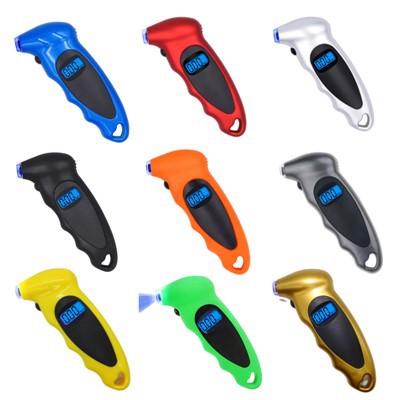
Hey there! As a supplier of low pressure gauges, I often get asked about the over - pressure limit of these handy devices. So, let's dig into this topic and find out what it's all about.


First off, what exactly is a low pressure gauge? Well, it's a tool that measures pressure in relatively low ranges. We use them in all sorts of applications, like checking tire pressure, measuring the pressure in small air systems, and even in some medical equipment.
Now, the over - pressure limit is the maximum pressure that a gauge can handle without getting damaged or giving inaccurate readings. It's a crucial factor to consider because if you exceed this limit, you could end up with a gauge that's either broken or spitting out false data.
Let's talk about why the over - pressure limit matters. When a low pressure gauge is exposed to pressures beyond its limit, the internal components can get stressed. For example, the diaphragm or the Bourdon tube (common pressure - sensing elements in gauges) might deform. Once these components are deformed, they won't be able to accurately measure pressure anymore. And in some cases, the gauge could even burst, which is not only dangerous but also means you'll have to replace it.
The over - pressure limit of a low pressure gauge can vary widely depending on its design and intended use. Some simple Mini Tire Gauge might have a relatively low over - pressure limit, maybe around 1.5 to 2 times the normal operating pressure. These gauges are designed for light - duty applications, like checking the pressure in your car tires. You don't need them to handle extremely high pressures, so the manufacturers can keep the design simple and cost - effective.
On the other hand, Ball Pressure Gauge used in more industrial or heavy - duty applications might have a higher over - pressure limit. They could be designed to handle pressures up to 3 or 4 times the normal operating pressure. This gives them some leeway in case there are sudden pressure spikes in the system.
The Plastic Transparent Tire Gauge is another type of low pressure gauge. These are often made of plastic, which is lightweight and cost - effective. However, plastic has its limitations when it comes to withstanding high pressures. So, the over - pressure limit for these gauges is usually on the lower side. But they're great for everyday use, like quickly checking the pressure in your bike or motorcycle tires.
How do manufacturers determine the over - pressure limit? They use a combination of engineering calculations and testing. First, they analyze the materials and the design of the gauge to estimate how much pressure the components can handle. Then, they conduct a series of tests in a controlled environment. They gradually increase the pressure on the gauge until they reach the point where it starts to show signs of damage or inaccurate readings. This gives them a clear idea of what the over - pressure limit should be.
As a supplier, I always recommend that customers pay close attention to the over - pressure limit when choosing a low pressure gauge. You need to make sure that the gauge you select can handle the maximum pressure that your system might experience. If you're not sure, it's better to go for a gauge with a higher over - pressure limit. It might cost a little more, but it'll save you from the hassle of replacing a damaged gauge later on.
Another thing to keep in mind is that the over - pressure limit is not the same as the normal operating pressure. The normal operating pressure is the pressure range in which the gauge is designed to work most accurately. Staying within this range will ensure that you get the most reliable readings from your gauge.
If you're in an environment where there are frequent pressure fluctuations, you might want to consider a gauge with a built - in pressure relief mechanism. This can help protect the gauge from sudden pressure spikes and extend its lifespan.
So, to sum it up, the over - pressure limit of a low pressure gauge is an important factor that you can't afford to ignore. It determines the gauge's durability and accuracy, and choosing the right gauge based on this limit can save you time and money in the long run.
If you're in the market for a low pressure gauge, whether it's a Mini Tire Gauge, Ball Pressure Gauge, or Plastic Transparent Tire Gauge, I'm here to help. I can provide you with high - quality gauges that meet your specific needs. Just reach out for a consultation and we can start discussing the best options for your application.
References
- Engineering Handbook of Pressure Gauges
- Industry Standards for Low Pressure Gauge Design and Testing