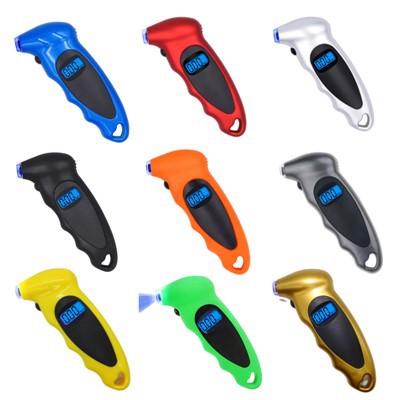
Hey there! As a supplier of low pressure gauges, I often get asked about the pressure sensitivity of these nifty devices. So, let's dive right in and break it down.
First off, what exactly is pressure sensitivity when it comes to a low pressure gauge? Well, it's all about how accurately the gauge can detect and display small changes in pressure. You see, low pressure gauges are designed to measure pressures that are relatively low compared to other types of gauges. They're used in a whole bunch of applications, from measuring the air pressure in tires to monitoring the pressure in small pipes and containers.
The pressure sensitivity of a low pressure gauge is typically expressed in units like pounds per square inch (psi), kilopascals (kPa), or millibars (mbar). A gauge with high pressure sensitivity can detect even the tiniest changes in pressure, while a gauge with low sensitivity might miss those small fluctuations.
Let's take a look at some factors that can affect the pressure sensitivity of a low pressure gauge.
1. Design and Construction
The way a low pressure gauge is designed and built plays a huge role in its sensitivity. For example, gauges with a larger dial face and more precise markings can often provide more accurate readings. The internal components, like the bourdon tube or diaphragm, also matter. A well - made bourdon tube that is thin and flexible can respond more readily to small changes in pressure, increasing the gauge's sensitivity.
2. Range of the Gauge
The pressure range of the gauge is another important factor. A gauge with a narrow pressure range is generally more sensitive than one with a wide range. For instance, a gauge designed to measure pressures from 0 - 10 psi will be more sensitive to small changes in that range compared to a gauge that measures from 0 - 100 psi.
3. Quality of Materials
The materials used in the gauge can impact its sensitivity. High - quality materials are more likely to maintain their shape and performance over time, ensuring consistent and accurate pressure readings. For example, a gauge with a diaphragm made from a high - grade elastomer will be more responsive to pressure changes than one made from a lower - quality material.
4. Calibration
Proper calibration is crucial for a low pressure gauge to have accurate sensitivity. If a gauge is not calibrated correctly, it may give false readings or not be able to detect small pressure changes accurately. Regular calibration ensures that the gauge is performing at its best and providing reliable information.
Now, let's talk about some of the products we offer as a low pressure gauge supplier. We have a great selection of tire pressure gauges, which are a type of low pressure gauge.
One of our popular products is the Economy Tire Air Gauge. This gauge is a great choice for those on a budget. It has a decent pressure sensitivity and is easy to use. It's perfect for everyday use, whether you're checking the tire pressure of your car, bike, or motorcycle.
If you're looking for something more compact, our Mini Tire Gauge is a great option. Despite its small size, it still offers good pressure sensitivity. It's very portable, so you can keep it in your glove compartment or pocket and check your tire pressure whenever you need to.
For those who want a bit of luxury and high - end performance, we offer the European Luxury Tire Pressure Gauge. This gauge is designed with precision in mind. It has a high - quality construction and excellent pressure sensitivity, allowing you to get very accurate tire pressure readings.
Why is having a gauge with good pressure sensitivity so important when it comes to tire pressure? Well, maintaining the correct tire pressure is essential for several reasons. First of all, it affects your safety on the road. Under - inflated tires can lead to poor handling, longer braking distances, and even tire blowouts. On the other hand, over - inflated tires can cause uneven tire wear and a harsher ride.
Secondly, proper tire pressure can improve your fuel efficiency. When your tires are at the right pressure, your vehicle doesn't have to work as hard to move, which means you'll use less gas. And finally, it can extend the life of your tires. By keeping the pressure at the recommended level, you'll reduce wear and tear on the tires, saving you money in the long run.
In addition to tire pressure gauges, our low pressure gauges are also used in other applications. For example, in the HVAC industry, low pressure gauges are used to monitor the pressure of refrigerants in air conditioning systems. A gauge with high pressure sensitivity can help technicians detect small leaks or changes in pressure, allowing them to diagnose and fix problems quickly.
In the food and beverage industry, low pressure gauges are used to monitor the pressure in tanks and pipes during the production process. Accurate pressure measurement is crucial to ensure the quality and safety of the products.
So, if you're in the market for a low pressure gauge, whether it's for tire pressure monitoring or other applications, we've got you covered. Our gauges are designed to offer high pressure sensitivity, reliability, and durability.
If you're interested in our products, we'd love to hear from you. Whether you're a distributor looking to stock our gauges or an individual in need of a single gauge, we can work with you. Reach out to us to start a conversation about your specific requirements. We can provide you with more detailed information about our products, pricing, and delivery options.
In conclusion, the pressure sensitivity of a low pressure gauge is a key factor that determines its performance and usefulness. By understanding the factors that affect sensitivity and choosing the right gauge for your needs, you can ensure accurate pressure measurement and better results in your applications.


References
- "Pressure Measurement Basics" by Instrumentation Tools
- "Tire Pressure: The Importance of Keeping it Right" by Car and Driver Magazine
- "Industrial Pressure Gauges: Design and Application" by McGraw - Hill Professional